 Media Interview | Examining the Reality of Korea's Detention-in-Lieu-of-Fine System
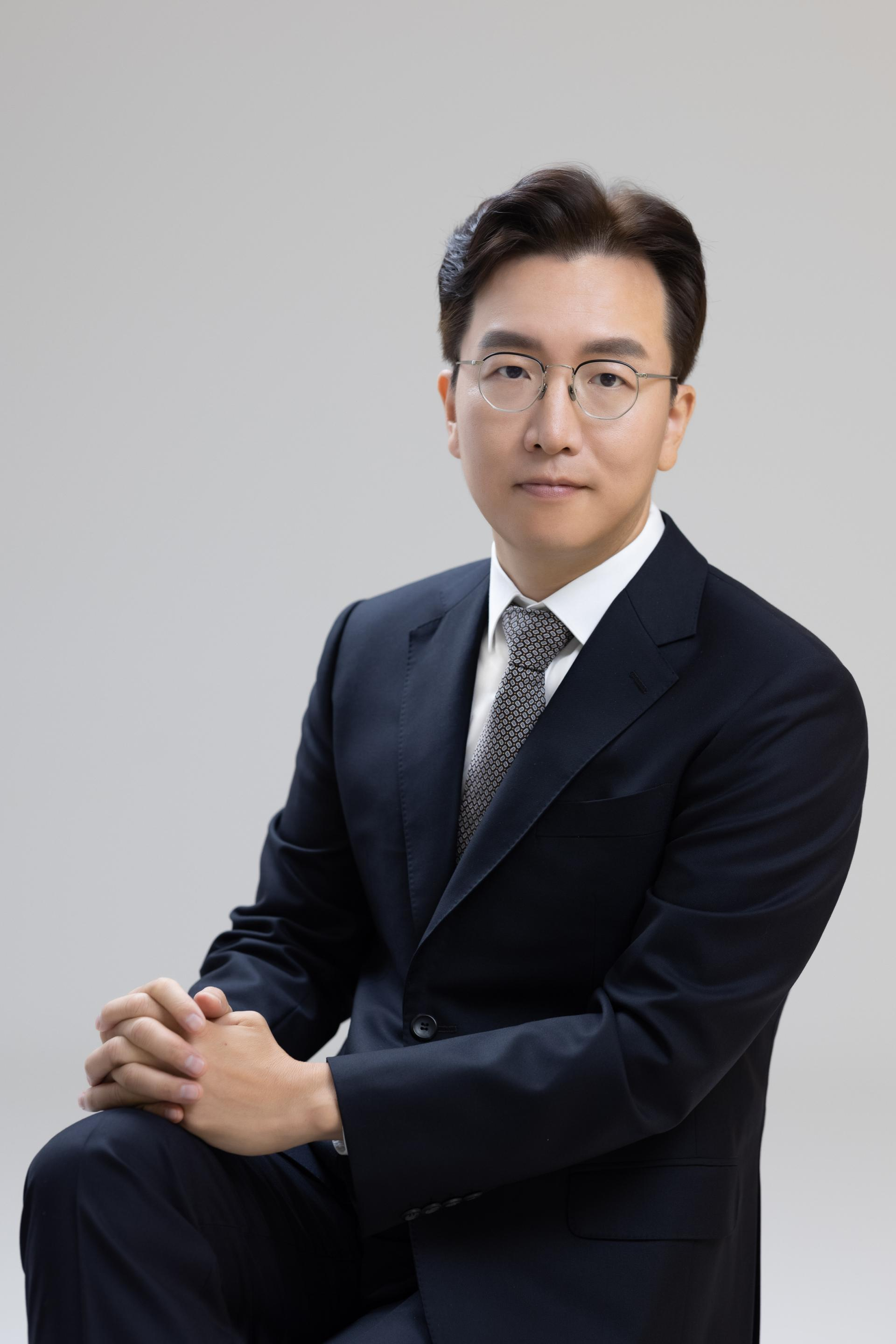
Attorney Shin Min-young, Managing Partner of HOAM Law Office, took part as an expert interviewee in a media investigation examining prison labor programs and the reality of the detention-in-lieu-of-fine system, drawing on her expertise in criminal law.
The report, based on direct reporting from several correctional facilities including Seoul Nambu Prison, shed light on how both incarcerated inmates and those detained in lieu of unpaid fines are largely unable to access work opportunities in practice. According to the statistics cited, more than half of all inmates were either unable to work or, despite being eligible, were never assigned to a work program. Among those detained specifically for unpaid fines, roughly eight out of ten never worked at all during their detention. Inmates who were elderly, in poor health, or serving especially short remaining sentences were consistently the first to be excluded from work assignments—leaving many to have their fines reduced simply for enduring each day in detention, rather than through any actual labor performed. The report pointed to this as a structural flaw in the system.
Addressing this issue, Attorney Shin noted that public attention tends to focus solely on the length of a sentence, while little scrutiny is given to how that sentence—whether imprisonment or detention in lieu of a fine—is actually carried out in practice. Her point was that the discussion should not end the moment a sentence is handed down, but must also address the practical problems that arise during its execution. She further advised that institutional reforms are needed across the board, including the establishment of additional treatment and custody facilities and an increase in correctional staffing. In particular, she highlighted that many individuals who genuinely require medical treatment end up in correctional facilities without adequate care, even as the facilities themselves face a severe shortage of both custodial and medical personnel—underscoring the need for meaningful improvements that go beyond simply managing inmate populations.
A sentence is not complete the moment it is handed down; it is only fully realized through the entire process of its execution. This interview highlights the blind spots within that execution process, reflecting the depth of insight Attorney Shin Min-young brings as a criminal law expert.
| Read the full article : www.segye.com/newsView/20260810518092?OutUrl=naver





Attorney Shin Min-young, Managing Partner of HOAM Law Office, took part as an expert interviewee in a media investigation examining prison labor programs and the reality of the detention-in-lieu-of-fine system, drawing on her expertise in criminal law.
The report, based on direct reporting from several correctional facilities including Seoul Nambu Prison, shed light on how both incarcerated inmates and those detained in lieu of unpaid fines are largely unable to access work opportunities in practice. According to the statistics cited, more than half of all inmates were either unable to work or, despite being eligible, were never assigned to a work program. Among those detained specifically for unpaid fines, roughly eight out of ten never worked at all during their detention. Inmates who were elderly, in poor health, or serving especially short remaining sentences were consistently the first to be excluded from work assignments—leaving many to have their fines reduced simply for enduring each day in detention, rather than through any actual labor performed. The report pointed to this as a structural flaw in the system.
Addressing this issue, Attorney Shin noted that public attention tends to focus solely on the length of a sentence, while little scrutiny is given to how that sentence—whether imprisonment or detention in lieu of a fine—is actually carried out in practice. Her point was that the discussion should not end the moment a sentence is handed down, but must also address the practical problems that arise during its execution. She further advised that institutional reforms are needed across the board, including the establishment of additional treatment and custody facilities and an increase in correctional staffing. In particular, she highlighted that many individuals who genuinely require medical treatment end up in correctional facilities without adequate care, even as the facilities themselves face a severe shortage of both custodial and medical personnel—underscoring the need for meaningful improvements that go beyond simply managing inmate populations.
A sentence is not complete the moment it is handed down; it is only fully realized through the entire process of its execution. This interview highlights the blind spots within that execution process, reflecting the depth of insight Attorney Shin Min-young brings as a criminal law expert.
| Read the full article : www.segye.com/newsView/20260810518092?OutUrl=naver